Japan & Philippines2026

Chapter 01 · November 15 — 19

Tokyo

Cool air, blazing gold leaves, and a city built for a family of seven to enjoy

Nights
4
Full days
3
Base
Yoyogi House
Group
4 adults · 3 kids

The place

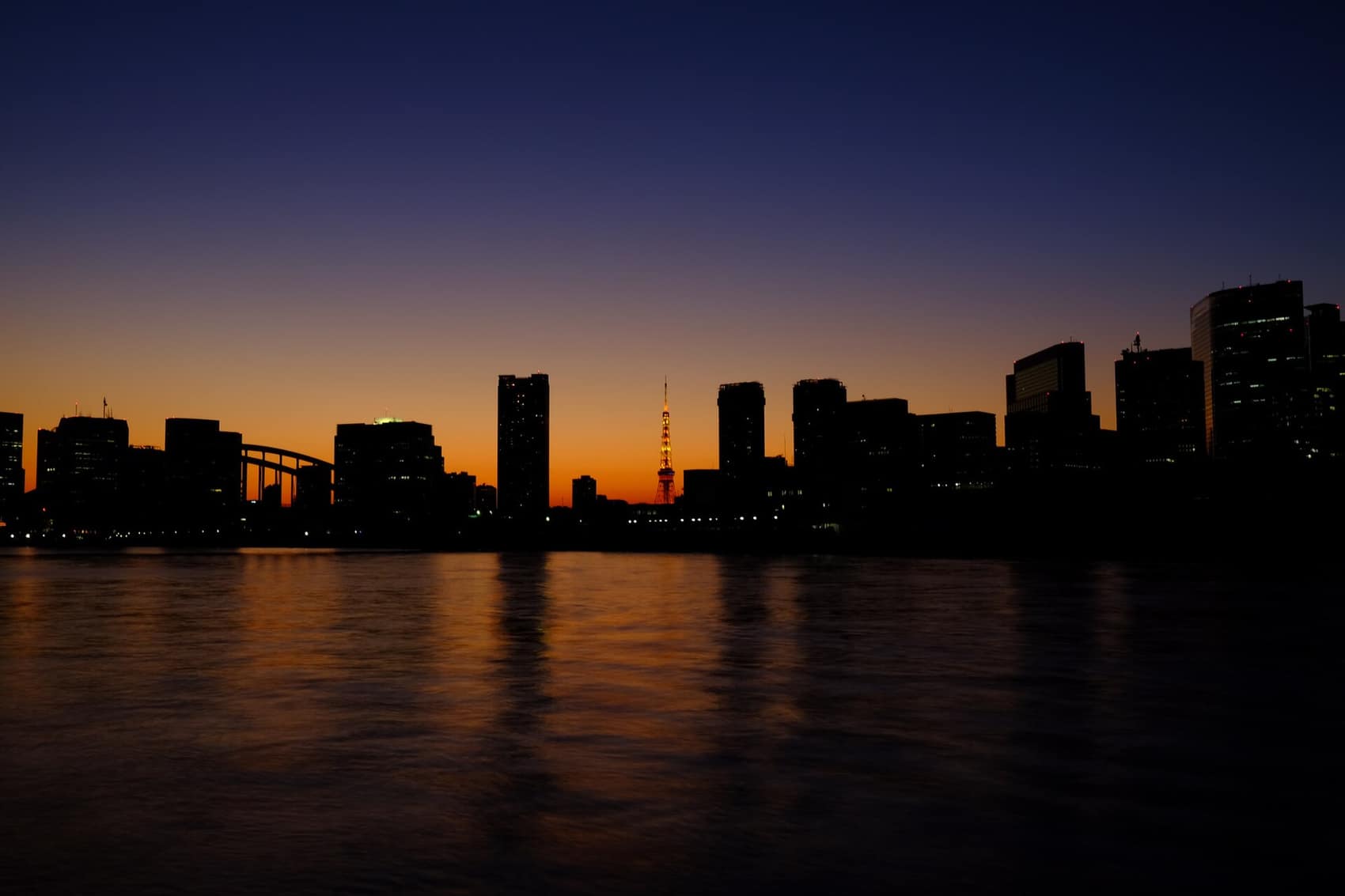
The biggest city on earth, at toddler pace

Land in mid-November and you get Tokyo's best weather of the year: high 50s to low 60s°F, dry air, wide-open blue skies, and the ginkgo trees beginning to turn gold. Forget the sweaty, crowded Tokyo of summer brochures. This is crisp jacket weather, short lines, and gorgeous light for photos. Basing the whole family at Yoyogi House puts you five minutes from a quiet residential station and walking distance to two of the city's best green spaces, with Shinjuku's neon and Shibuya's crossing a few stops away.

Tokyo in November runs cool and dry. Expect daytime highs around 16-18°C (60-64°F), overnight lows near 8-10°C (46-50°F), and some of the clearest, least humid days of the year. Autumn color builds through the month. Maples go first, and the city's famous ginkgo avenues (Jingu Gaien, right near your neighborhood) usually peak in the last week of November, so by the 15th-19th you'll catch the early gold rather than full peak, still striking, especially against Meiji Jingu's dark forest canopy. The city itself feels orderly and quiet at street level even though it's objectively enormous: trains run silently, sidewalks are clean, and pedestrians give a stroller room instead of rushing past. Basing at Yoyogi House works because it sits in the gap between Shinjuku's skyscrapers and Harajuku's boutiques. A five-minute walk to JR Yoyogi Station puts the whole Yamanote loop within reach, while Meiji Jingu's forest entrance and Shinjuku Gyoen's gates are both close enough to stroll to without touching a train.

Worth knowing

  • Weather is the best of the year: cool, dry, and clear. Pack layers, not rain gear
  • Ginkgo and maple color builds through November, peaking city-wide in the last week
  • Stations have elevators, but they're not always obvious: look for the elevator icon on platform signage, not only the escalator
  • Coin lockers at every major station (¥300-700) are a lifesaver for day-trip luggage or stroller breakdown parts
  • Convenience stores (7-Eleven, Lawson, FamilyMart) sell surprisingly good, cheap food: onigiri, fried chicken, and hot coffee, all day
  • IC cards (Suica/PASMO) work on phones now, but cash is still king at small restaurants and food stalls
  • Trains go dead silent: no phone calls, ringers off, and quiet voices only, especially with kids in tow
  • Public trash cans are rare to nonexistent; carry a bag for your own wrappers until you're back at the house

Booked · Where we sleep

A whole house, to ourselves

Seven of us under one roof, in a residential corner of Shibuya-ku on the Yamanote loop.

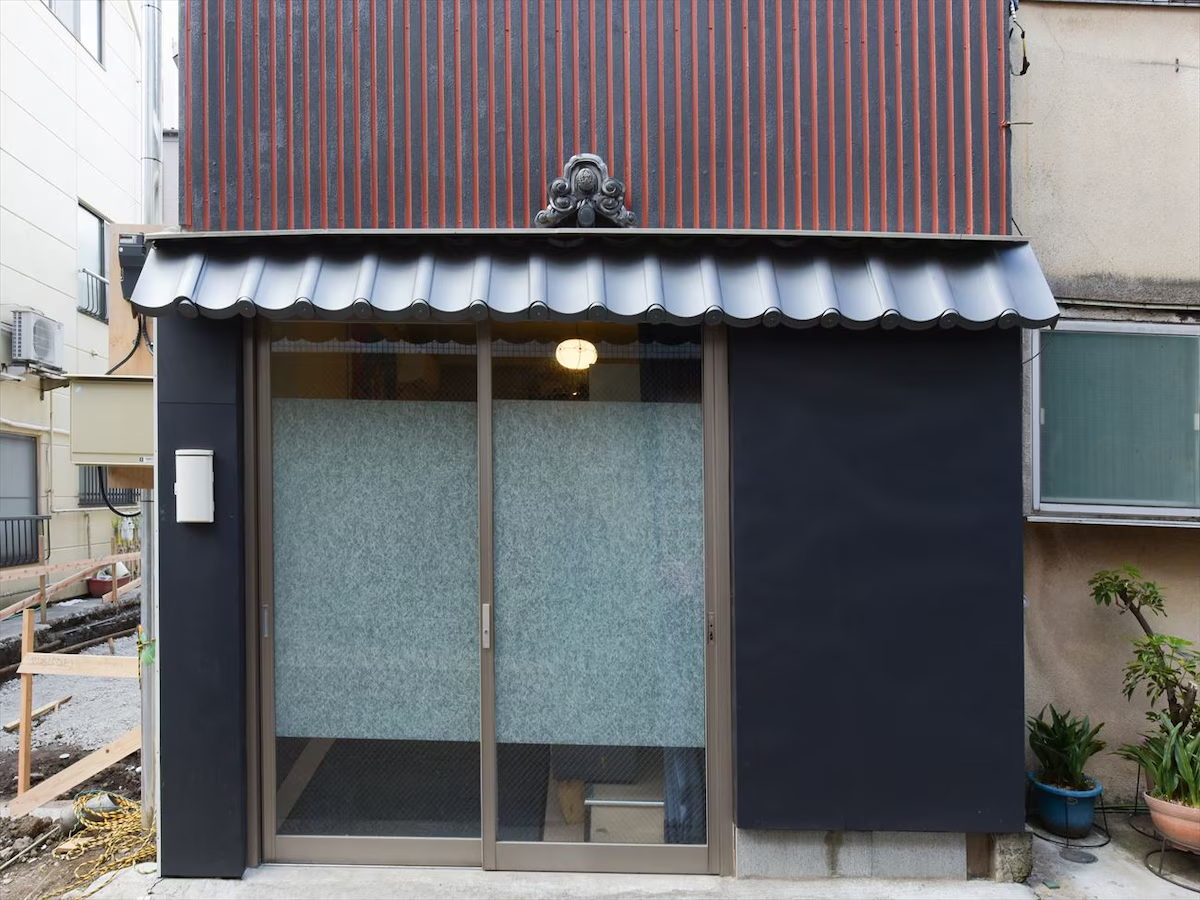
Yoyogi House

Booked · Nov 15 — 19 · Shibuya-ku

Yoyogi House

$1,392 · 4 nights

A whole family house, five minutes’ walk from JR Yoyogi Station.

9 guests3 bedrooms7 beds1.5 baths4.37 (438)

We have an entire three-bedroom house to ourselves, with a kids’ space up in the loft, in a quiet residential pocket between Shinjuku and Harajuku. Meiji Jingu’s forest and Shinjuku Gyoen are both a short walk. Yoyogi sits on the Yamanote loop, so Shinjuku is one stop one way and Harajuku one stop the other.

Check-in is after 5:00 PM and check-out by 10:00 AM. The house runs over three floors with stairs up to the loft, so we mind the little ones on them. The bathroom has a shower and no tub. Quiet hours run 10 PM to 7 AM, because the neighbours live here year-round.

Open on Airbnb

99 photos

Day by day

Four days, stop by stop

An easy arrival evening, one big walking day, one theme-park day, and a last day that crosses the whole city.

01Sun Nov 15 · Arrival evening

Shinjuku after dark

Land, drop bags at Yoyogi House, then ease into Tokyo one neon alley at a time.

A short hop from a quiet residential base into the loudest, most electric few blocks in Tokyo is about as soft a landing as this trip allows. Nobody needs to be impressive tonight, only fed, wide-eyed, and in bed at a reasonable hour before the real running-around starts tomorrow.

You land mid-afternoon and head straight for Yoyogi House, the whole-house Airbnb in Yoyogi, five minutes from JR Yoyogi Station, but check-in doesn't open until after 5pm, so build in slack for the ride in and don't expect to drop bags before then. Once you're in and everyone has had a minute to sit down, it's a short hop from Yoyogi to Shinjuku Station, one of the easiest rides of the whole trip. Aim to be walking Shinjuku's back streets by early evening, while the neon is coming up but before the latest-night crowds thicken. First stop is Omoide Yokocho, the tiny alley of yakitori stalls immediately north of the station, a five-minute wander-through with the kids to see the smoke, the lanterns and the grills, not a sit-down meal (see that page for why). From there it's a short walk to see the Godzilla Head glowering over the Shinjuku Toho Building, and it's worth timing the walk-by near the top of the hour if you can, since that's when it roars and lights up. Dinner is wagyu at Jojoen in Shinjuku Central East: a proper, unhurried sit-down where everyone can decompress after a day of travel, cooked right at the table, which keeps kids entertained between bites. Save the last burst of energy for Don Quijote in Kabukicho, equal parts souvenir shop, snack aisle and sensory overload, and a fun way to close out a first night before the jet lag catches up. Aim to be back at Yoyogi House by mid-evening; there's no reason to push a first night late with a toddler and a long travel day behind you.

Yoyogi House check-in: after 5:00pm; check-out by 10:00am on departure day
Base: Yoyogi, Shibuya-ku (5 min walk to JR Yoyogi Station)
Yoyogi to Shinjuku: one short JR ride, a few minutes
Suggested order: settle in → Omoide Yokocho → Godzilla Head → Jojoen wagyu dinner → Don Quijote Kabukicho
Keep it gentle: this is a travel-day evening, not a full itinerary day
  • Check-in at Yoyogi House opens after 5pm, so the afternoon is for arriving, not exploring
  • One short train hop gets you from the quiet Yoyogi base into full Shinjuku neon
  • Omoide Yokocho is a walk-through for photos and smoke and lanterns, not a meal stop with three kids
  • The Godzilla Head roars and lights up on the hour, but 20:00 is the last show, so get there before then
  • Wagyu dinner at Jojoen gives everyone a real sit-down after a long day of travel
  • Don Quijote Kabukicho closes the night on a fun, low-stakes note before an early bedtime

4 stops · tap to open

02Mon Nov 16 · Meiji Jingu → Harajuku → Ginza → Shibuya

Shrine, sweets and the scramble

Shrine forest to neon crossing, with pancakes and wagyu in between

Monday November 16 is the big cross-town day: a quiet cedar forest at dawn, a candy-colored teenage carnival by mid-morning, hushed luxury boulevards at lunch, and the world's busiest crosswalk after dark. It only works because the stops sit on one straight transit line, with the Ginza Line running Omotesando to Ginza, then Ginza back to Shibuya, so the family is never more than 20 minutes from a bathroom or the Airbnb.

The day moves from quiet to loud to elegant to electric. Enter Meiji Jingu through the South Gate (the entrance nearest Harajuku Station, a 12-15 minute walk or one JR stop from Yoyogi House) while the gravel courtyard is still cool. Budget 60-90 minutes; strollers roll fine on the main gravel path, but this is where the toddler either naps in the carrier or starts to fray, and mid-November is Shichi-Go-San season, so expect extra crowds and photo stops around families in kimono at the main shrine buildings. From the shrine it's a short walk into Harajuku for souffle pancakes at A Happy Pancake, then Takeshita-dori, where 45 minutes is the max before the crowd density stops being fun for young kids. Omotesando's wide, tree-lined sidewalk works as a deliberate palate cleanser right after, with Kiddy Land there to burn off sugar. From Omotesando Station the Ginza Line runs direct to Ginza in about 10 minutes, no transfer. In Ginza the day slows down: wagyu lunch at Heijoen, the Sanrio flagship (now branded Sanrio NISHIGINZA, inside the Nishi Ginza building), a depachika food hall to graze through, and Itoya for stationery kids enjoy browsing more than you'd expect. The Ginza Line then runs direct to Shibuya, landing with enough runway for Sushi no Midori at 6:00pm before the Scramble crossing after dark, when the neon is at its best and everyone is too tired to argue about one more photo.

Meiji Jingu: free entry, dawn-dusk, South Gate closest to Harajuku Station
Ginza Line Omotesando to Ginza: ~10 min, no transfer
Ginza Line to Shibuya: ~15-20 min, no transfer
Whole day: roughly 9am-8pm, pace for a toddler nap window post-lunch if needed
  • South Gate entry at Meiji Jingu, before the tour buses
  • Shichi-Go-San kimono season overlaps the visit
  • One straight transit line links all four areas
  • Omotesando is the built-in recovery stop between two loud blocks
  • Crossing at night is the payoff after a long day

5 stops · tap to open

03Tue Nov 17 · 9 AM — 9 PM · Christmas season

Tokyo Disneyland

Yoyogi to Maihama, castle to closing fireworks, 9am to 9pm with a toddler in tow

The whole trip gets planned around this one day. You're on the Keiyo Line before the shops in World Bazaar have their gates fully up, and you don't leave until the Electrical Parade lights have rolled past and the sky over the castle has gone quiet again. Mid-November means the park's Christmas overlay is running full tilt: garlands on every lamppost, a parade that swaps in sleigh bells, and a tree-lit hum in the air all day.

From Yoyogi House, walk to JR Yoyogi Station, ride to Tokyo Station, then switch to the JR Keiyo Line (platform signage sometimes reads Keiyo/Musashino) toward Maihama. Build in real time for the transfer at Tokyo Station, because the Keiyo Line platforms sit at the far end of a long underground corridor, a good 10-15 minute walk from the Yamanote/Chuo lines, and it still catches first-timers off guard. From Maihama it's a short walk or a hop on the Disney Resort Monorail into the park. Aim to be through the gates and into World Bazaar before the 9:00am opening. Tokyo Disneyland does a soft rope-drop, so you get the shortest lines of the day on the marquee rides in the first 20 minutes. November 17 sits inside the park's Christmas season, which generally runs early November through December 25, so expect the seasonal overlay on the parade, the castle lighting, and the food menus. Tokyo Disney Resort prices are date-based and variable, and they were revised upward in October 2026, when a new top tier of 12,400 yen appeared. Budget about 10,900 yen for an adult 1-day passport and up to 12,400 on the busiest dates. Check the exact price for Nov 17 on the official site before you buy, since it moves date by date. Tickets are sold for one specific date, go on sale 60 days ahead, and do sell out on popular dates. Buy through the official Tokyo Disney Resort app or website well before the trip, not at the gate. Inside the park, the only line-skip left is Disney Premier Access, a paid, per-attraction pass you buy in the app once you're inside the park (roughly 1,000-2,000 yen per person per ride). The free Priority Pass ended on 31 August 2026, so everything else is standby. With a toddler, it's worth buying Premier Access for one or two headline rides the moment you're through the gates. Stroller rental is available near the entrance (cash and IC card both work) and is worth it even for kids who normally walk, since this is an all-day, mostly-standing park. Baby Centers (multiple locations, including one in World Bazaar) have nursing rooms, bottle-warming, diaper-changing stations and a small shop for formula and diapers if you're caught short. Height rules vary by ride: some, including certain coasters, have minimums as low as 90cm, and others are open to any height with an adult. It's worth checking each attraction's sign before queuing with the littlest one.

Hours: 9:00am - 9:00pm
Adult 1-Day Passport: ~10,900 yen (date-specific pricing)
Tickets: official Tokyo Disney Resort app, buy well ahead
Nearest station: JR Maihama (Keiyo Line)
Allow 45-60 min door-to-gate from Yoyogi
  • Route: Yoyogi → Tokyo Station → JR Keiyo Line → Maihama
  • Long underground transfer walk at Tokyo Station: budget 10-15 minutes
  • Arrive before 9am for the shortest lines of the day
  • Christmas season overlay running park-wide in mid-November
  • Adult 1-day ticket ~10,900 yen: buy via the official app in advance, tickets are date-specific and can sell out
  • Paid Disney Premier Access is now the only line-skip, since the free Priority Pass ended 31 August 2026
  • Stroller rental and Baby Centers available near the entrance
Operator & booking info

4 stops · tap to open

04Wed Nov 18 · New Tokyo, then old Tokyo

teamLab, Toyosu and Asakusa

Barefoot art in the morning, sushi at market lunch, temple lanterns after dark.

You go from digital wonder to old Tokyo without a wasted hour: 9am wading through a glowing museum in bare feet, market-fresh sushi a few minutes later, then a slow afternoon under Asakusa's giant lantern. It's the one day that mixes stroller-friendly indoor time with genuine Edo-era streetscape, so pace it. Don't rush the temple to chase a dinner reservation.

Leave Yoyogi House by 8:10-8:15am to make the 9:00-9:30am timed entry at teamLab Planets in Toyosu. Yoyogi is not on the Yurakucho line, so plan one change (Chuo-Sobu from Yoyogi to Iidabashi, then the Yurakucho line to Toyosu is the simplest hand-off), about 40-50 minutes all in, then a short walk or one stop on the Yurikamome to the museum. Budget 2-2.5 hours inside, barefoot, with a change of dry clothes or a spare pair of shorts for the kids since you wade knee-deep through water in one room. Lockers hold shoes, bags and anything else you don't want soaked. Walk over to Toyosu Senkyaku Banrai, the Edo-style food hall next to the fish market, for sushi lunch: Sushi Yasuke or Irori (soba and tempura) are the named options, and there's a rooftop foot bath if the kids need to burn off energy before the next leg. From Toyosu, head to Asakusa (roughly 30-40 minutes by train; the simplest routing is the Yurakucho line to Ginza-itchome, a short walk to Ginza, then the Ginza line straight through to Asakusa; check a live app closer to the date, since Toyosu's train links are limited). In Asakusa, see Kaminarimon gate and its lantern, browse Nakamise-dori (go before shops close around 5-6pm, don't eat while walking the street), visit Senso-ji's main hall and the five-storey pagoda, then have dinner at Sansada (tempura) or Ichiran (ramen). If time allows, see Senso-ji lit up at night, far emptier than the daytime crowds.

Yoyogi House to Toyosu: ~40-50 min via Yurakucho line + short Yurikamome hop or walk
teamLab Planets: allow 2-2.5 hours, timed tickets sell out weeks ahead
Toyosu to Asakusa: ~30-40 min by train
Nakamise-dori shops close ~5-6pm: visit before dinner
  • 9:00-9:30am timed entry, arrive on time or lose the slot
  • Barefoot art museum: pack a spare dry outfit for kids
  • Rooftop foot bath at Senkyaku Banrai after lunch
  • Senso-ji is far quieter and lit up after dark

5 stops · tap to open

Already chosen

Where we eat

Wagyu twice, sushi twice, ramen in a booth, tempura from 1837 and pancakes that wobble.

Jojoen is Japan's best-known yakiniku chain for a reason: the beef is graded A5, the private rooms swallow the smoke, and the servers grill the first round for you, easing the first jet-lagged night. Book it as the Sunday-night landing dinner and walk straight into Omoide Yokocho after. Shinjuku Central East branch sits inside the Kabukicho dining cluster, a short walk from both Omoide Yokocho and the Godzilla Head, which is exactly why it works as the first dinner in Tokyo: everyone is tired, the kids need a table instead of a stall, and the private-room-style seating (low partitions, some full private rooms) keeps a toddler meltdown from becoming everyone else's problem. Order a wagyu course rather than à la carte on night one; the set walks you through the cuts (karubi, harami, tan) and the staff will grill the first pieces tableside so jet-lagged adults aren't guessing at doneness. Rice, soup, banchan-style sides and a scoop of ice cream usually round out the course, which matters with three kids at the table.

Order this

A5 wagyu karubi (short rib)Harami (skirt steak)Gyutan (beef tongue)Wagyu course sets with rice, soup, dessert
Find it

On the doorstep

Around Yoyogi

A five-minute walk from the station puts a forest, a garden, and Shinjuku all in reach

Yoyogi House sits in a quiet residential pocket of Shibuya-ku, close enough to JR Yoyogi Station to duck out for milk at 9pm, and close enough to Meiji Jingu's forest that the city noise seems to switch off. The neighborhood makes the whole trip easy: a toddler-friendly park, a walkable route into Shinjuku's chaos when you want it, and konbini on nearly every corner for anything you forgot to pack.

JR Yoyogi Station sits on the Yamanote and Chuo-Sobu lines, a five-minute walk from the house, flat, well-lit and stroller-manageable. Two green spaces bookend the neighborhood. Shinjuku Gyoen, a formal garden with an entry fee (around ¥500 for adults, kids free) and gates that close by early evening, is the spot for photographing peak autumn color against manicured lawns. Meiji Jingu, entered through its forest paths rather than a gate, is free, shaded, and built around a 100-year-old planted forest where Tokyo's traffic noise fades almost immediately. Yoyogi Park itself, immediately south of the station, has open lawns and a play area that works well for letting the toddler run off travel energy before dinner. The walk from the house into Shinjuku's east side, where you'll hit Omoide Yokocho and the Godzilla Head on night one, takes about 15-20 minutes on foot, or two stops on the train. Supermarkets and konbini cluster near the station. A Peacock or Life supermarket covers real groceries, and 7-Eleven and Lawson locations sit within a block or two of the house for late-night diaper runs or breakfast bread.

5-min walk from Yoyogi House to JR Yoyogi StationShinjuku Gyoen: ¥500 adult, junior high and under free; 9:00-16:30 in November with last entry at 16:00; closed Mondays, so Mon Nov 16 is outMeiji Jingu: free, but the gates open and close with the sun, roughly 6:10am to 4:10pm in November15-20 min walk to Shinjuku's east side
01

Shinjuku Gyoen: autumn color, ¥500 adult entry, 9:00-16:30 with last entry 16:00, closed Mondays. Go early or midday

02

Meiji Jingu's forest paths are free, shaded, and the calmest walk in the neighborhood

03

Yoyogi Park has open lawns and a play area good for burning off toddler energy before dinner

04

Konbini (7-Eleven, Lawson, FamilyMart) are within a block or two of the house for anything forgotten

05

A real supermarket near the station covers groceries if you want a quiet night in

06

The walk into Shinjuku's neon side takes 15-20 minutes on foot, or two train stops

Logistics

Getting around

Tap-and-go IC cards on your phone, a loop train that connects almost everything, and taxis when little legs give out

Skip the paper ticket machines: load Suica or PASMO straight onto your phone (or grab a Welcome Suica card at the airport) and every family member taps straight through the gates. The JR Yamanote Line loops past nearly every neighborhood on this trip, kids under 12 ride at half fare, and when a stroller and a cranky toddler need a door-to-door option, taxis here run with car seats on request.

Suica and PASMO are the two interchangeable IC cards that work on every train, subway, and bus in Tokyo. Load them onto an iPhone or Android via Apple/Google Wallet before you land, or, if a phone isn't practical for younger travelers, buy a physical Welcome Suica card at Narita or Haneda airport. Kids ages 6-11 ride at half the adult fare (tap the same card: discounts apply automatically at the child rate if registered, or buy child tickets at machines); under 6 generally ride free with a fare-paying adult. The JR Yamanote Line is the green loop train that circles central Tokyo and hits Shinjuku, Harajuku, and Shibuya directly, forming the backbone of this trip. Elevators exist at every major station but are sometimes tucked at one end of the platform rather than by the main stairs; look for the blue elevator pictogram on platform maps before committing to a route with a stroller. Taxis are metered, clean, and easy to flag or queue for at stations and hotels; most can provide a child car seat if requested in advance through a hotel concierge or a booking app like GO or S.RIDE, though walk-up taxis may not always have one on hand. For our routes: Yoyogi to Harajuku is one Yamanote stop, about 5-8 minutes door-to-door; to Shinjuku, one stop the other direction, 5-10 minutes; to Shibuya, two stops, about 12-15 minutes; to Ginza, ride the Yamanote Line to Shibuya or Harajuku and pick up the Ginza Line there, or transfer at Shinjuku to the Marunouchi Line, roughly 30-35 minutes; to Maihama (Disneyland), via Tokyo Station and the JR Keiyo Line, about 45-55 minutes door-to-door; to Toyosu, via the Yurakucho subway line, about 40-50 minutes; to Asakusa, via the Ginza subway line with a transfer, about 40-45 minutes.

Suica/PASMO via phone wallet, or Welcome Suica card at the airportKids 6-11: half fare; under 6: generally free with adultYoyogi to Harajuku/Shinjuku: 5-10 min; Shibuya: 12-15 min; Ginza: 30-35 min; Maihama: 45-55 min; Toyosu: 40-50 min; Asakusa: 40-45 min
01

Suica/PASMO on your phone (Apple/Google Wallet) or a physical Welcome Suica card from the airport for anyone without a smartphone

02

Kids 6-11 ride half fare; under 6 generally free with a paying adult

03

The JR Yamanote Line loop connects Yoyogi to Harajuku, Shinjuku, and Shibuya directly

04

Station elevators exist everywhere but aren't always near the main stairs. Check platform maps first

05

Taxis can be booked with a car seat in advance via GO or S.RIDE, or through hotel concierge

06

Realistic door-to-door times: Harajuku 5-8 min, Shinjuku 5-10 min, Shibuya 12-15 min, Ginza 30-35 min, Maihama 45-55 min, Toyosu 40-50 min, Asakusa 40-45 min